
Attic Blown-In Insulation
Energy-efficient attic insulation designed for Canadian homes
Trusted by homeowners across the GTA & Southern Ontario since 2010
✔ Licensed & Insured
✔ Code-Compliant Installation
What we do
What is Attic
Blown-In Insulation?
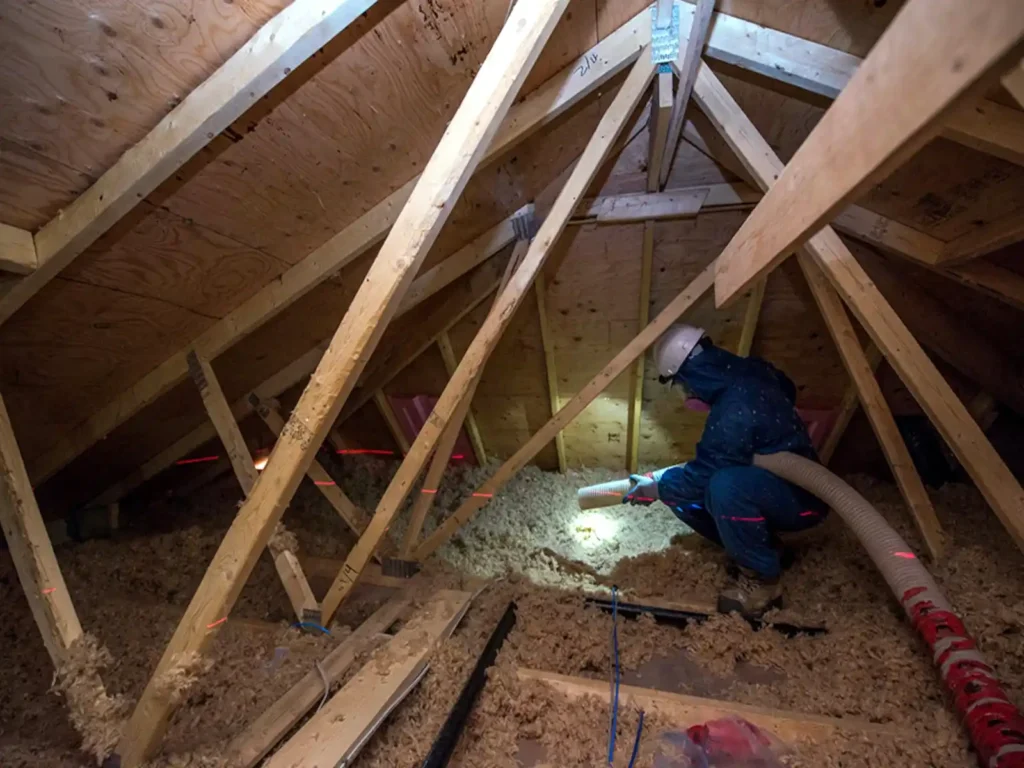
Attic blown-in insulation is a loose-fill insulation system installed using specialized blowing equipment to distribute insulation across your attic floor evenly.
Blown-in insulation is ideal for:
- Older homes
- Hard-to-reach attic spaces
- Improving energy efficiency without major renovations
Blown-in insulation helps reduce heat loss in winter, prevents overheating in summer, and improves overall home comfort.
It’s one of the most effective ways to improve attic insulation without major renovations.
Best for Ontario climates and existing homes.
How We Do
How Blown-In Insulation Works
All blown-in insulation installations are code-compliant and tailored to your attic layout, insulation needs, and energy-efficiency goals.
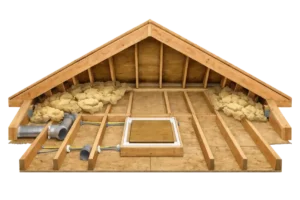
Step 1 – Attic Preparation
We begin by inspecting the attic, removing existing insulation where required, sealing major air leaks, and preparing the space for proper ventilation and insulation coverage.
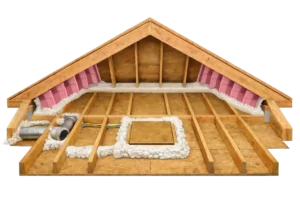
Step 2 – Air Sealing & Ventilation Setup
Ventilation baffles are installed to protect airflow from soffits, and key air-sealing areas are addressed to ensure proper attic ventilation before insulation is added.
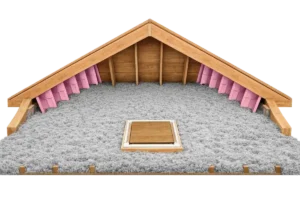
Step 3 – Blown-In Insulation Installation
Blown-in insulation is evenly installed to the required depth and R-value, creating a continuous thermal layer that reduces heat loss and Installed to meet Ontario Building Code and manufacturer specifications.
What we use
Types of Blown-In Insulation We Install
Not sure which blown-in insulation is right for your project?
We assess your attic, budget, moisture conditions, and building envelope to recommend the best-performing blown-in insulation solution.
All blown-in insulation systems are selected based on building type, ventilation requirements, and Ontario Building Code standards.
Cellulose Insulation (Recycled Paper)
✓ Material
Closed-cell (2 lb)
A high-density spray polyurethane foam that expands and cures into a rigid insulation layer. It delivers excellent thermal resistance while acting as an air, moisture, and vapour barrier in a single application.
✓ Pros
-
High R-value per inch for maximum energy efficiency
-
Excellent air sealing and moisture resistance
-
Adds structural strength to walls and roof assemblies
-
Long service life with minimal performance loss over time
✓ Cons
-
Attics and cathedral ceilings
-
Exterior wall assemblies
-
Basements and crawl spaces
-
Garages and commercial buildings
✓ Best for
Because of its density and vapour resistance, closed-cell spray foam must be installed correctly to meet building code requirements. Our installations follow CAN/ULC standards and local code guidelines.
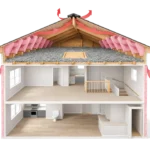
Learn more about this insulation →
Best used for: Existing homes, attic upgrades, improving energy efficiency, and sound reduction
Mineral Wool (Rock Wool) – Blown-In
✓ Material
-
Volcanic rock fibres
✓ Pros
-
Fireproof
-
Excellent soundproofing
-
Moisture-resistant
✓ Cons
-
Rare as blown-in (mostly batts)
-
More expensive
-
Fewer suppliers/machines
✓ Best for
-
Specialty commercial projects
-
Fire-rated assemblies
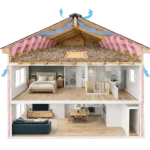
Learn more about this insulation →Best used for: Attic top-ups, moisture-prone attics, fire-resistance upgrades, and new installations
Best used for: Attic top-ups, moisture-prone attics, fire-resistance upgrades, and new installations
Fiberglass Blown-In Insulation
✓ Material
-
Loose fiberglass fibers
✓ Pros
-
Cost-effective
-
Non-combustible
-
Moisture-resistant
-
Widely available in Ontario
✓ Cons
-
Lower air-sealing than cellulose
-
Can settle over time if poorly installed
✓ Best for
-
Attic top-ups
-
Budget-conscious homeowners
-
Newer homes
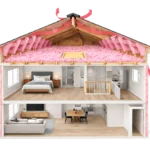
Learn more about this insulation →Best used for: Cost-effective attic insulation, large open attics, and standard residential upgrades
Best used for: Cost-effective attic insulation, large open attics, and standard residential upgrades
Wood-Fibre Cellulose (Bio-Based)
✓ Material
-
Natural wood fibres (not recycled paper)
-
Bio-based, low-VOC, sustainable
Key supplier
-
Nature Fibres
-
Product: Profib® Cell
✓ Pros
-
Thermal + acoustic insulation
-
Natural moisture-buffering
-
Excellent density and coverage
-
Very strong eco-friendly positioning
-
Premium “green building” appeal
✓ Cons
-
Higher material cost than standard cellulose
-
Availability depends on supplier logistics
✓ Best for
-
Eco-conscious homeowners
-
High-end renovations
-
Green / sustainable builds
- Flat and low-slope commercial roofs
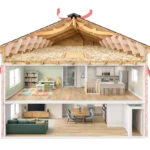
Learn more about this insulation →
Best used for: Eco-conscious homes, attics, ceiling assemblies, sustainable building projects
Where we do
Where We Install Blown-In Insulation
Blown-in insulation is most commonly installed in attics and ceiling assemblies, delivering continuous thermal coverage with minimal disruption.
We install blown-in insulation in residential and commercial spaces where accessibility, energy efficiency, and Ontario Building Code compliance matter most.
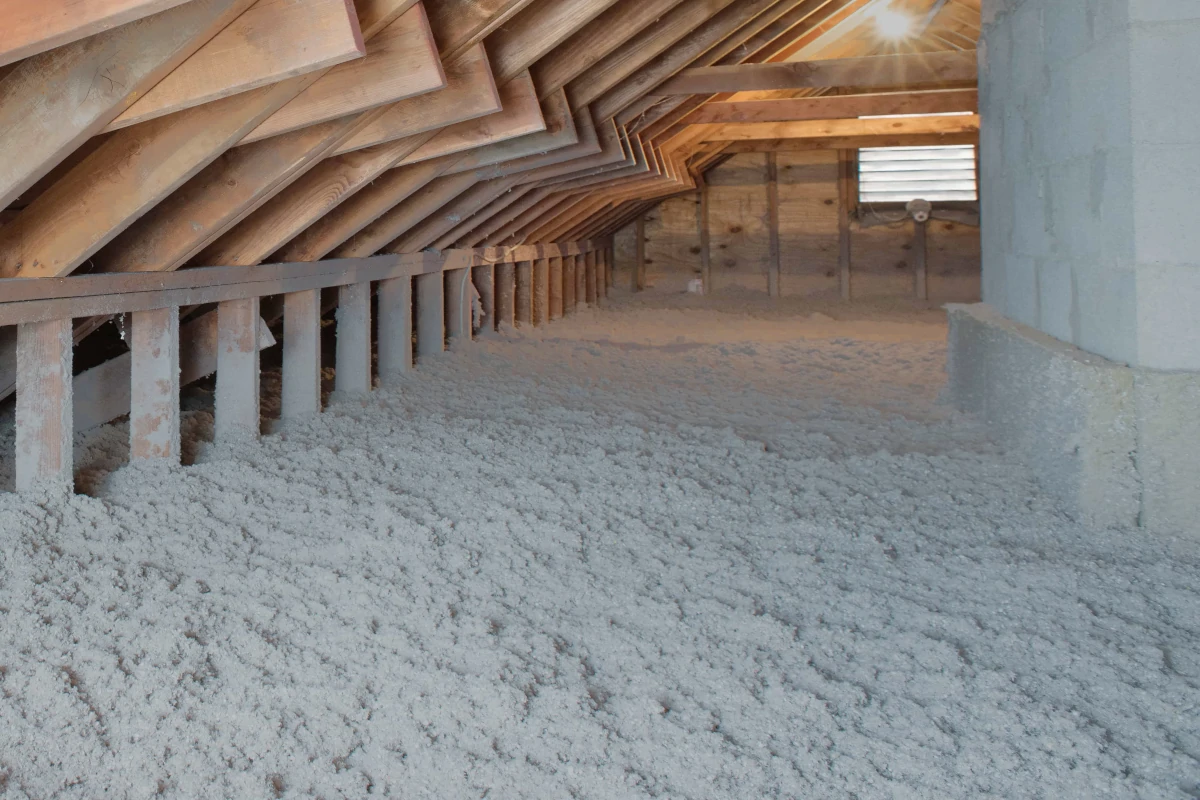
Attics & Ceiling Assemblies –
Primary application for blown-in insulation
This insulation method provides continuous coverage… for attic floors and ceiling cavities, providing continuous coverage, improved R-value, reduced air leakage, and long-term energy savings.
Best for: Residential attics, ceiling cavities, energy upgrades
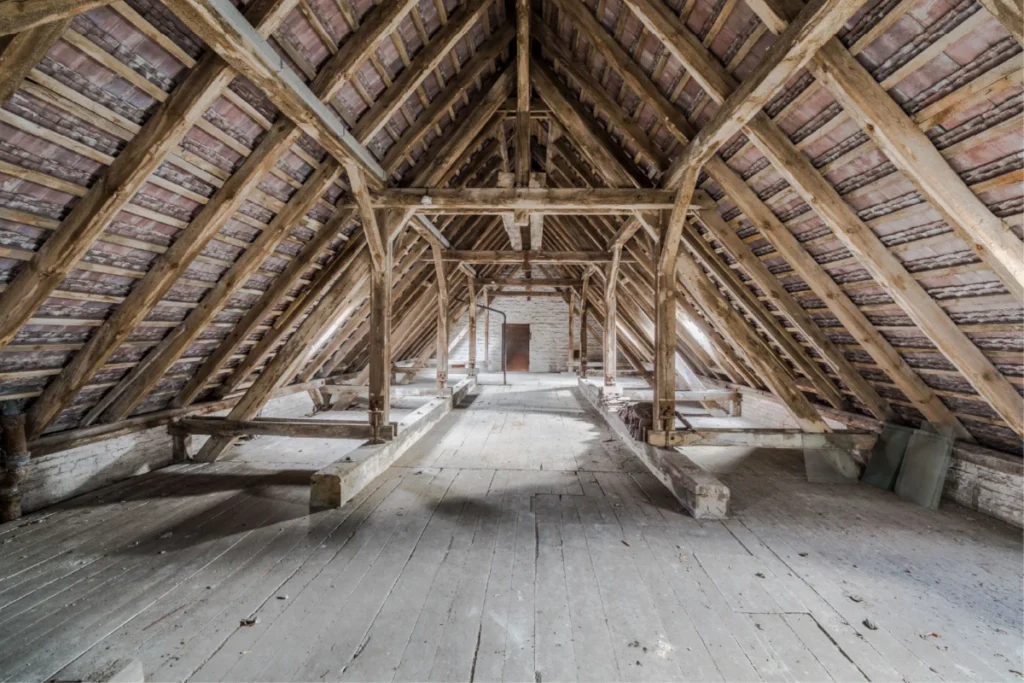
Existing Homes & Retrofits –
Energy upgrades without major renovations
Perfect for older homes where insulation upgrades are needed without removing drywall, ceilings, or structural finishes. Additionally, blown-in insulation helps reduce air movement and long-term heat loss.
Best for: Older homes, renovation projects, hard-to-access spaces
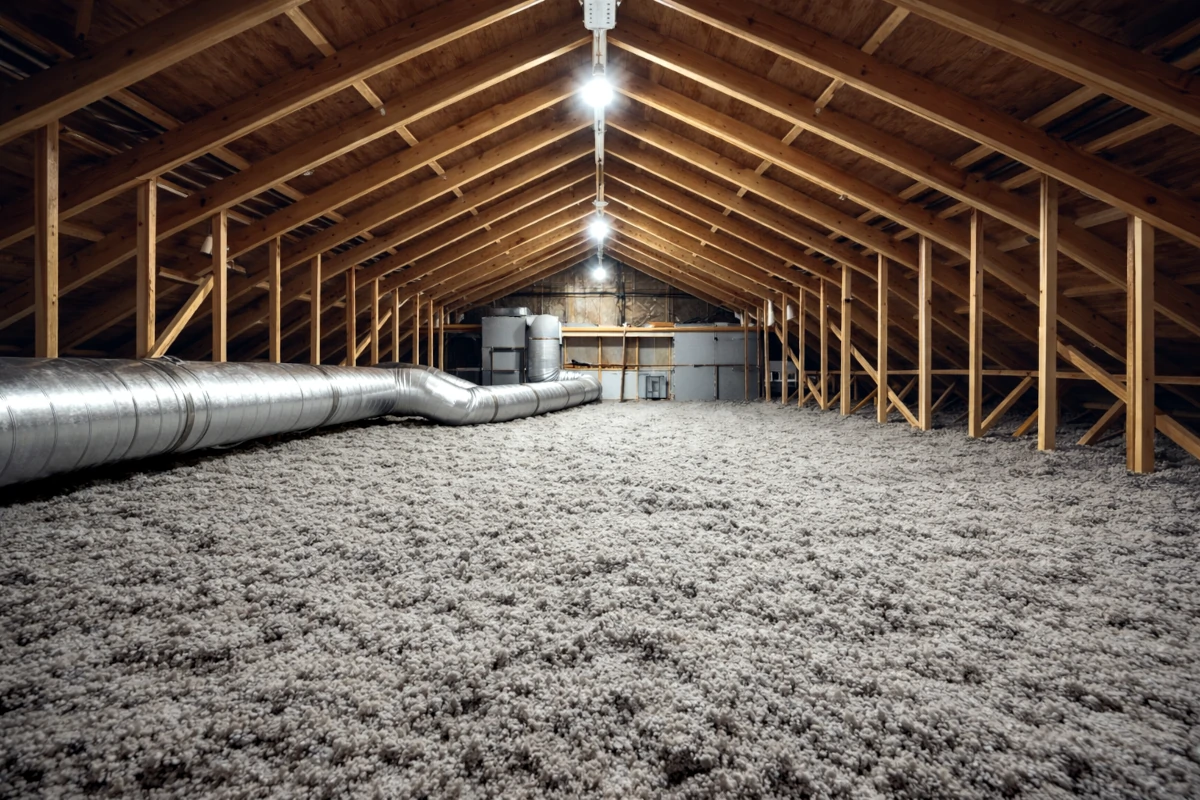
Commercial Attic Spaces –
Large-scale attic insulation upgrades
Blown-in insulation is used in commercial buildings with accessible attic or ceiling plenum spaces to improve energy efficiency, reduce heat loss, and meet fire-rating and building code requirements.
Best for: Warehouses, offices, multi-unit buildings
Not sure which area applies to your property? We’ll inspect your space and recommend the right blown-in insulation solution.
Get Free QuoteWhy Choose Us
Why Homeowners Choose SprayFoamGL for Blown-In Insulation
Trusted insulation professionals serving the GTA and Southern Ontario since 2010.
Safe, code-compliant installations backed by experience and certification.
FAQ – Quick Assist
Answers to the most common questions we hear from homeowners and property owners.
Is blown-in insulation safe for my home?
Yes. Blown-in insulation is safe when installed by trained professionals following Ontario Building Code requirements. Modern blown-in materials are non-toxic, fire-resistant, and designed for residential use. We ensure proper ventilation, clearances, and attic preparation to maintain indoor air quality and long-term safety.
How long does blown-in insulation last?
Blown-in insulation can last 30–50 years or more when properly installed and kept dry. It does not settle significantly when installed at the correct density and can continue to provide consistent thermal performance for decades with minimal maintenance.
Is blown-in insulation better than fiberglass batts?
In many cases, yes. Blown-in insulation provides more complete coverage than fiberglass batts, especially in attics with irregular framing, wiring, or obstructions. It reduces gaps and air pockets, resulting in improved R-value performance, better energy efficiency, and fewer drafts.
Can blown-in be added over existing insulation?
Yes. Blown-in insulation is commonly installed over existing insulation to increase overall R-value and improve performance. Before installation, we inspect the attic to ensure the existing insulation is dry, clean, and suitable for a top-up.
How long does blown-in insulation installation take?
Most residential blown-in insulation projects are completed in a few hours to one day, depending on attic size, access, and preparation requirements. Installation is efficient and causes minimal disruption to your home.
Do I need to leave my home during installation?
In most cases, no. Blown-in insulation is typically installed from the attic, and homeowners can remain in the home during the process. We use dust control and proper ventilation to keep the work area clean and safe.
Still have questions? We’re happy to inspect your attic and recommend the right blown-in insulation solution for your home.
Code-Compliant & Safe Blown-In Insulation Installation
Built to meet Ontario Building Code requirements with safety, durability, and long-term energy performance in mind.