
Spray foam insulation
Energy-efficient attic insulation designed for Canadian homes
Trusted by homeowners across the GTA & Southern Ontario since 2010
✔ Licensed & Insured
✔ Code-Compliant Installation
What we do
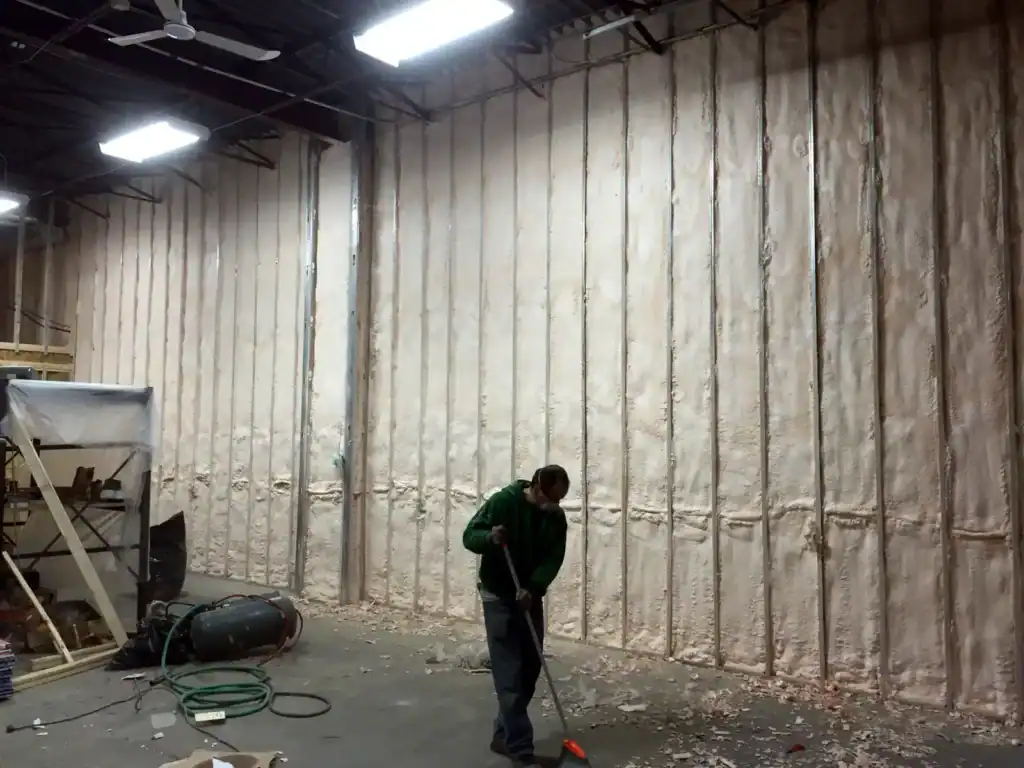
What is Spray Foam Insulation?
Unlike traditional insulation, spray foam expands to fill gaps, cracks, and cavities, creating an airtight seal that enhances comfort, improves indoor air quality, and reduces energy loss. Once cured, it forms a continuous thermal and air barrier that helps lower heating and cooling costs year-round.
How We Do
How Spray Foam Works
All spray foam installations are code-compliant and tailored to your building type and budget.
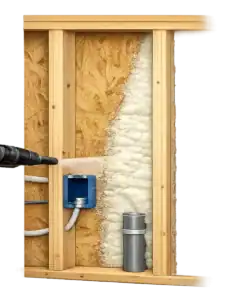
Applied as a Liquid
Foam is sprayed into walls, attics, and cavities
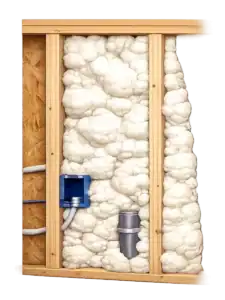
Expands & Seals
Expands to fill gaps, cracks, and penetrations
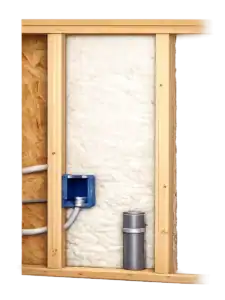
Cures into Insulation
Forms an airtight, long-lasting thermal barrier
What we use
Types We Install
Not sure which spray foam is right for your project?
We’ll assess your space, budget, and building envelope to recommend the best-performing solution.
All spray foam systems are selected based on building type, moisture conditions, and Ontario Building Code requirements.
We’ll assess your space, budget, and building envelope to recommend the best-performing solution.
All spray foam systems are selected based on building type, moisture conditions, and Ontario Building Code requirements.
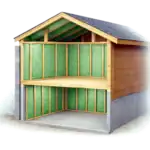
2 lb Closed-Cell Spray Foam
✓ What it is & how it works
Closed-cell (2 lb)
A high-density spray polyurethane foam that expands and cures into a rigid insulation layer. It delivers excellent thermal resistance while acting as an air, moisture, and vapour barrier in a single application.
✓ Performance & benefits
-
High R-value per inch for maximum energy efficiency
-
Excellent air sealing and moisture resistance
-
Adds structural strength to walls and roof assemblies
-
Long service life with minimal performance loss over time
✓ Where it performs best
-
Attics and cathedral ceilings
-
Exterior wall assemblies
-
Basements and crawl spaces
-
Garages and commercial buildings
✓ Code & installation cons
Because of its density and vapour resistance, closed-cell spray foam must be installed correctly to meet building code requirements. Our installations follow CAN/ULC standards and local code guidelines.
Learn more about this insulation →
Best used for: Attics, exterior walls, basements, crawl spaces, garages, and commercial buildings
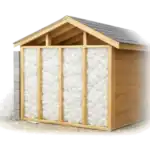
½ lb Open-Cell Spray Foam
✓ What it is & how it works
Open-cell (½ lb)
A low-density, flexible spray foam designed to expand deeply into cavities, creating an effective air seal while allowing assemblies to breathe.
✓ Performance & benefits
-
Excellent air sealing for improved comfort
-
Effective sound absorption
-
Allows moisture to pass through and dry naturally
-
Ideal for reducing drafts and noise transfer
✓ Where it performs best
-
Interior and above-grade walls
-
Sound control and noise reduction
-
Areas where breathability is preferred
✓ Code & installation cons
Open-cell foam is not a vapour barrier and is not suitable for below-grade or high-moisture environments. We help determine where it is appropriate based on your building and climate.
Learn more about this insulation →
Best used for: Interior walls, above-grade walls, soundproofing applications
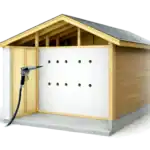
2 lb Pour-In-Place Insulation
✓ What it is & how it works
Pour-in-place (2 lb)
A closed-cell foam injected into enclosed wall cavities, designed specifically for retrofit and renovation projects.
✓ Performance & benefits
-
Upgrades insulation in existing walls
-
Even cavity fill with minimal disruption
-
Improves air sealing and thermal performance
-
Ideal for retrofit and renovation projects
✓ Where it performs best
-
Finished walls
-
Retrofit projects
-
Hard-to-access cavities
✓ Code & installation cons
Small access holes are required for installation and are professionally sealed after completion. This system is not used for open framing or attic applications.
Learn more about this insulation →
Best used for: walls, retrofits, renovations, hard-to-access cavities
3 lb Closed-Cell Roofing Foam
✓ What it is & how it works
Roofing foam (3 lb)
A high-density closed-cell foam applied to commercial roof systems, forming a seamless, durable insulation layer beneath protective coatings.
✓ Performance & benefits
-
High compressive strength
-
Seamless insulation layer with no joints
-
Excellent thermal performance
-
Compatible with protective roof coatings
✓ Where it performs best
-
Flat and low-slope commercial roofs
-
Warehouses and industrial buildings
✓ Code & installation cons
Roofing foam systems must be installed with proper surface preparation and coating systems to ensure longevity and warranty compliance.

Learn more about this insulation →
Best used for: Flat and low-slope commercial roofs
Where we do
Where We Install Spray Foam
From residential homes to commercial and agricultural buildings, we install spray foam insulation
where performance, durability, and energy efficiency matter most.
where performance, durability, and energy efficiency matter most.
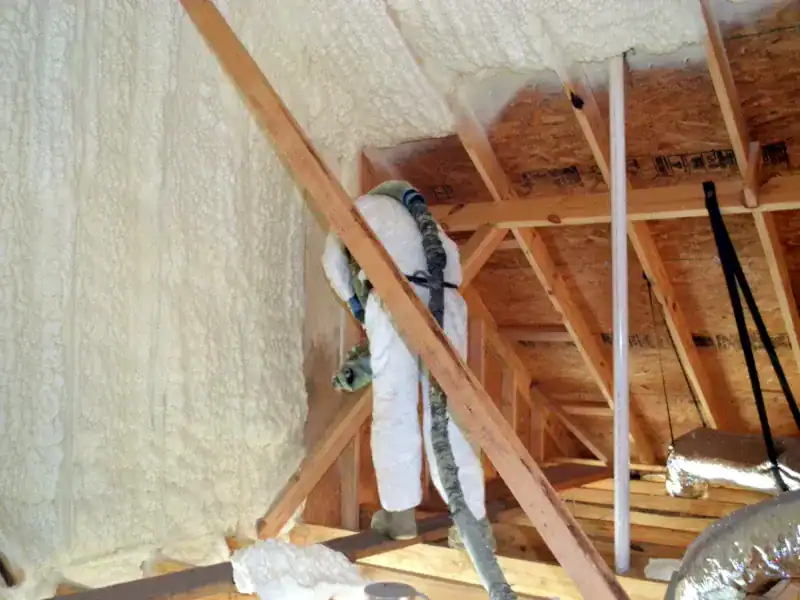
Attics & Roof Decks – Reduce heat loss and ice damming
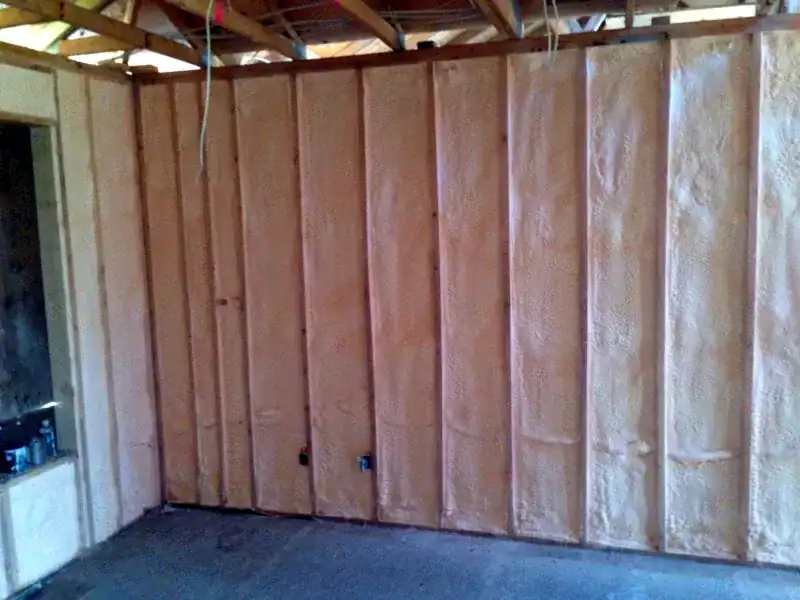
Interior & Exterior Walls – Airtight wall assemblies
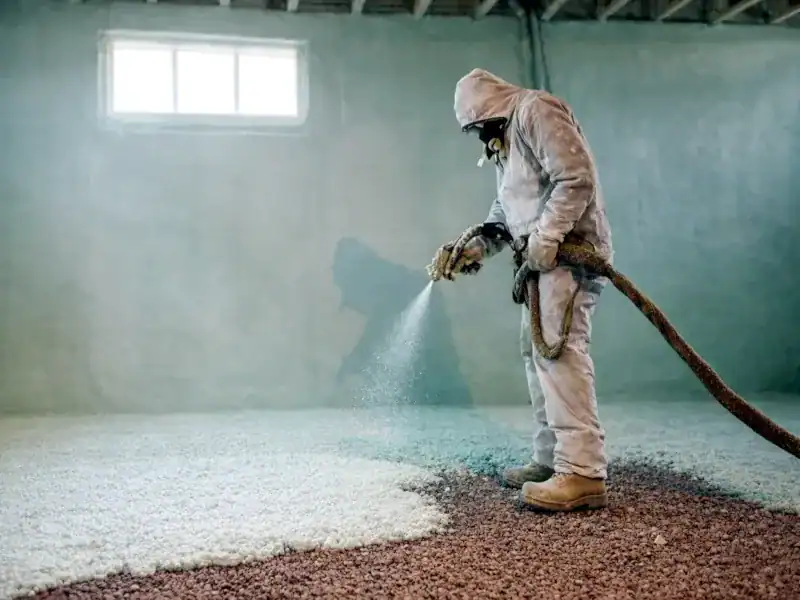
Basements & Crawl Spaces – Moisture-resistant insulation
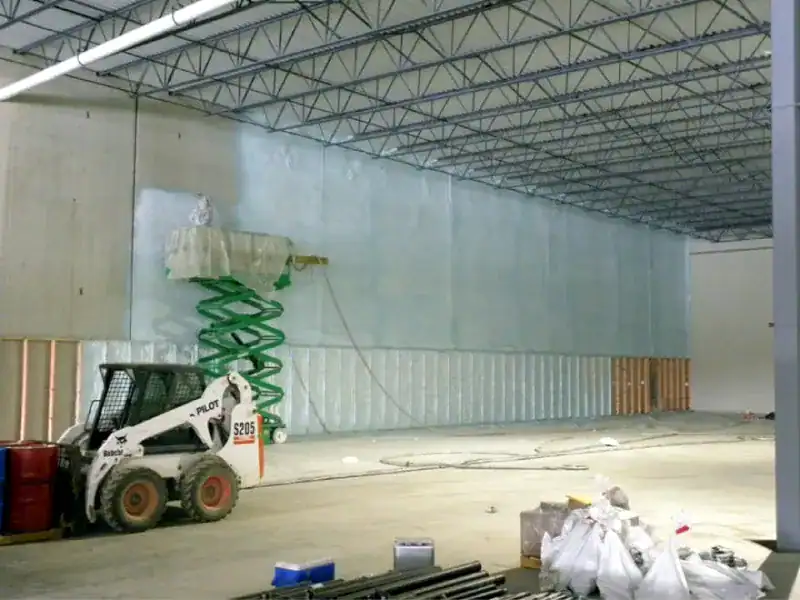
Commercial Buildings – Large-scale energy efficiency
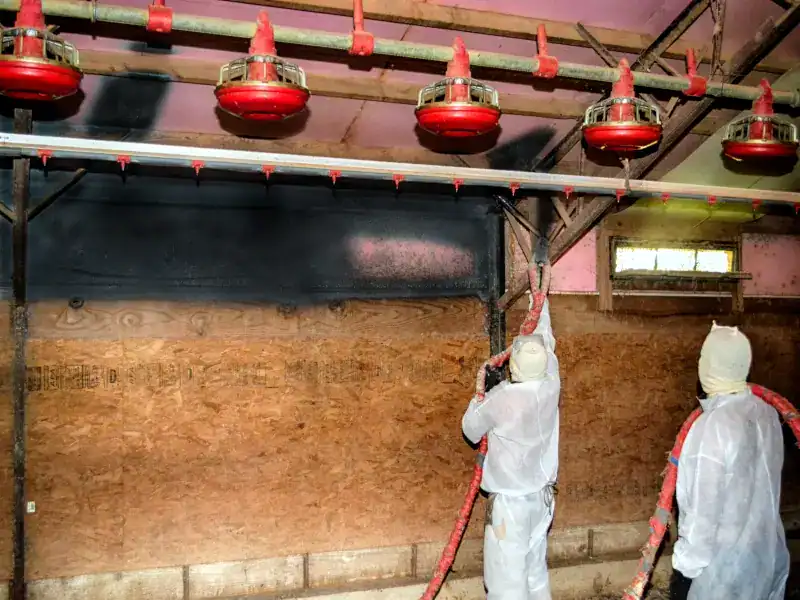
Agricultural Buildings – Temp & humidity control
Not sure which area applies to your property? We’ll inspect your space and recommend the right blown-in insulation solution.
Get Free QuoteWhy Choose Us
Why Homeowners Choose SprayFoamGL
Trusted spray foam insulation professionals serving the GTA and Southern Ontario since 2010.
Safe, code-compliant installations backed by experience and certification.
FAQ – Quick Assist
Answers to the most common questions we hear from homeowners and property owners.
Is spray foam insulation safe?
Yes. When installed correctly by trained professionals, spray foam insulation is safe and effective. We use CAN/ULC-S705.1 compliant materials and follow strict installation and ventilation procedures to ensure safe curing and long-term performance.
How long does spray foam last?
Spray foam insulation is designed to last the lifetime of the building. Unlike traditional insulation, it does not sag, settle, or degrade over time, maintaining its thermal and air-sealing performance for decades.
Is spray foam better than fiberglass?
In most applications, yes. Spray foam provides a higher R-value per inch, creates an airtight seal, and reduces moisture infiltration. Fiberglass insulates but does not stop air leaks, which can significantly reduce overall efficiency.
Can spray foam be installed in older homes?
Absolutely. Spray foam is commonly installed in older homes during renovations, retrofits, or energy upgrades. It’s especially effective in attics, basements, crawl spaces, and wall cavities where air leakage is common.
How long does installation take?
Most residential projects are completed in one day. Larger homes or commercial projects may take longer depending on size and scope. Our team will provide a clear timeline during your free estimate.
Is spray foam insulation code-approved in Ontario?
Yes. All spray foam insulation we install complies with Ontario Building Code requirements, CAN/ULC standards, and CCMC evaluations when applicable.
Do I need to leave my home during installation?
In most cases, occupants are asked to vacate the space being sprayed during installation and curing. Your installer will advise you on safe re-entry times based on the product and application area.
Code-Compliant & Safe
Spray Foam Installation
Built to meet Canadian building codes with safety, durability, and long-term performance in mind.